Tag: Eating disorder therapy

Learning Acceptance in 2020

 Boca Raton Eating Disorder Therapy

What if 2020 was the year that you learned to accept yourself? To accept your body, your diet, your lifestyle. What if the New Year was not a time that you reflected on what you needed to change-but in turn what you want to learn to accept. We place so much emphasis on "being the best" and "doing better" but we often times forget to pause and appreciate what we have and what we have accomplished.

We live in a culture that is diet and workout obsessed. After the New Year it is common to overhear various conversations related to body shaming, diets and exercise. We place so much judgment on ourselves and what we should and shouldn't be doing. These judgments can be exhausting and also negatively impact our emotions and overall mood. When we learn to tolerate our reality and trash the judgments we can appreciate the present, and maybe even accept ourselves 100%.

Tags: , , , , , , , ,

Exercise Addiction and When to Seek Help

Exercise Addiction and When to Seek Help

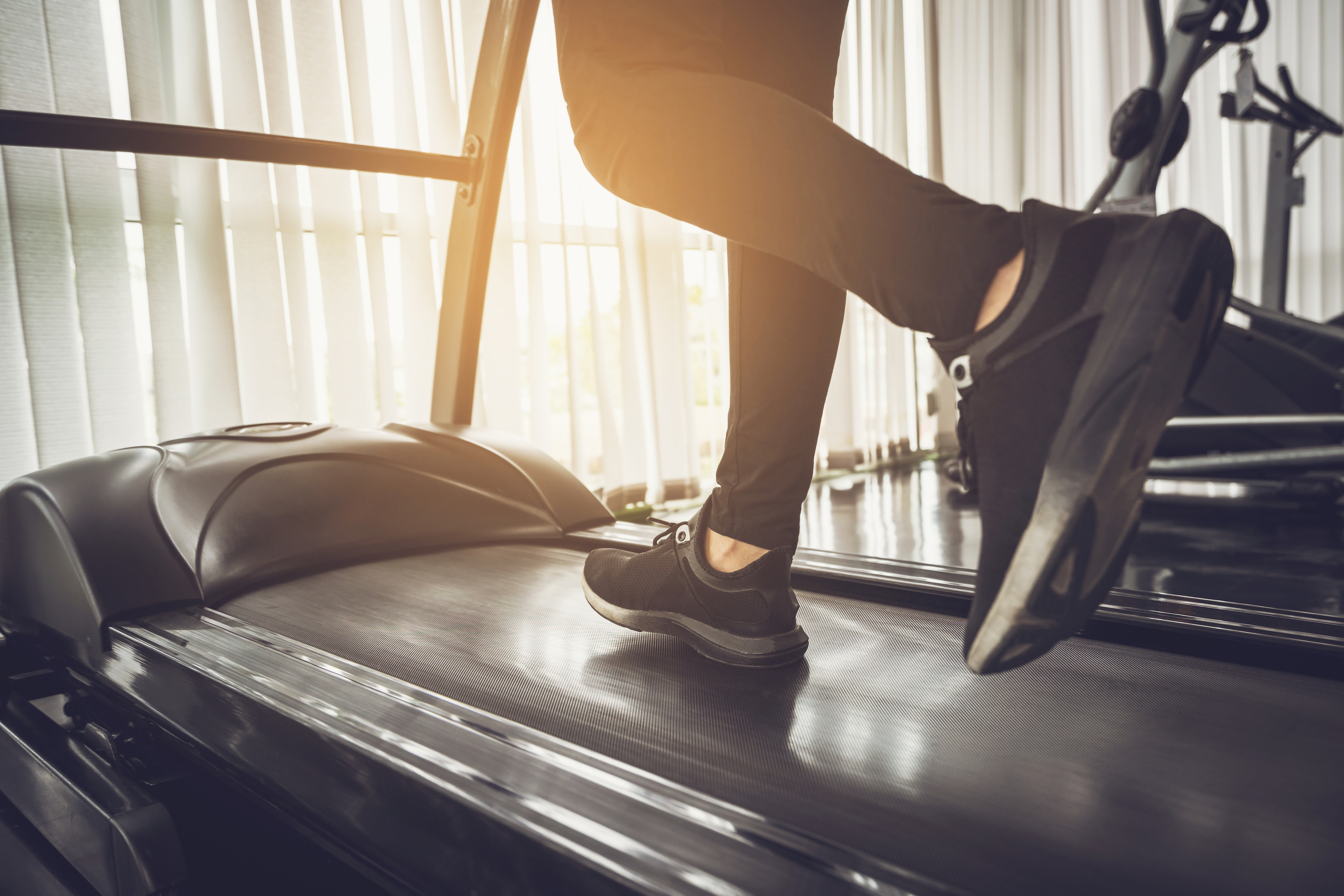
Exercise addiction is often overlooked due to the idea that “exercise is part of a healthy lifestyle”. However, exercise addiction can be a serious addiction that can negatively impact a person both physically and mentally. Exercise addiction can also be a very serious diagnosis and is officially diagnosed as a form of Bulimia called Exercise Bulimia. Exercise Bulimia is diagnosed when an individual is using exercise as a means to compensate for food intake and the following criteria are present:

  • Prioritizing exercise which in turn negatively impacts major areas of life
  • Neglecting important responsibilities such as work, school and social life
  • Intense anxiety is present when exercise is not available
  • Feelings of intense shame and guilt when unable to exercise
  • Obsessive and compulsive thinking is present when exercising
  • Unable to take a rest day when physically ill or tired
  • Restricting caloric intake on days when exercise is not present
  • Feeling irritable or angry when unable to exercise
    Exercise addiction and eating disorder treatment and therapy boca raton
Consequences of Exercise Bulimia and Exercise Addiction
  • Unable to maintain healthy relationships
  • Feelings of anxiety and depression
  • Isolation
  • Loss of energy
  • Possible reproductive consequences in females (loss of menstrual cycle)
  • Arthritis and other inflammatory issues
  • Dehydration and electrolyte imbalance
  • Frequent injuries due to exercising
When to Seek Help

It can be difficult to determine when exercise addiction is present because exercise CAN be a part of a healthy lifestyle. It is also important to point out that there are many BENEFITS of exercise both physical and mental. However, it is pretty clear when exercise becomes an addiction and shifts from being a healthy outlet to an UNHEALTHY behavior and obsession. When I suspect exercise addiction in an individual I will ask them to identify ways in which exercise is negatively affecting their thinking, physical health, eating behavior and social life. If negative consequences are present in any of these areas; work needs to be done surrounding their relationship with exercise. Exercise is supposed to be a healthy outlet that helps us to relieve stress, take care of our bodies and increase our mood. If exercise has become a chore, an obsession, or anxiety causing-exercise addiction is most likely present and should be addressed by a professional. It is possible to CHANGE your relationship with exercise and break free from exercise addiction.


Tags: , , , , ,

Atypical Anorexia

What is Atypical Anorexia?

Sometimes referred to as an invisible battle, Atypical Anorexia often times gets overlooked due to the fact that it does not consist of a low body weight. However, the absence of low body weight does not make the disorder any less severe or serious.


Symptoms of Atypical Anorexia

  • Obsession with body weight, shape and size.
  • Restricting caloric intake
  • Establishing and following strict food rules and guidelines
  • Consumed by food and body image thoughts
  • Impairments in functioning due to restricting behaviors
  • Compulsive exercise
  • Physical symptoms that include: bruising, headaches, gastrointestinal issues, fatigue, irregular menstruation and slow heart rate.
  • Anxiety
  • Feelings of worthlessness and hopelessness
  • Difficulty regulating emotions


Dangers of Atypical Anorexia

  • Often goes untreated due to the absence of low body weight
  • Those suffering believe that are not worthy of help
  • Atypical Anorexia comes with thinking of “It’s not that bad” “I don’t need help” “I am not thin enough to have an eating disorder”
  • Absence of support from family due to lack of education


Seeking Help

The biggest obstacle to seeking help is fighting the belief that “It is not that bad”. When I am treating clients, who fit into the Atypical Anorexia diagnosis they constantly battle the idea that they don’t have any eating disorder or it is manageable. Helping them identify the ways in which they are struggling is key and aids them in increasing their motivation to change their behaviors and thinking.

If you or someone you love is struggling with Atypical Anorexia know that you are worthy of help and support. An eating disorder doesn’t “look” like anything! It’s the thought process and the behaviors involved that define an eating disorder- not your body weight.


Abby Bernstein LMHC is a mental health counselor in Boca Raton Florida specializing in the treatment of Anorexia, Bulimia, Binge Eating Disorder and Atypical Anorexia.


Tags: , , , , , , , , ,

5 Steps to Improve Body Image

How can I improve my body image? This is a question that I get asked quite frequently both in my practice and in my personal life. My answer is usually the same every time; body image can be changed when you are committed to changing it. The relationship with your body is based on your thinking patterns and the lens that you decide to look through.  It’s important to acknowledge that changing your body image outlook is very difficult and takes a lot of time and practice.  However, having a better body image can be done.  It takes commitment, support and hard work. By following these five steps you may begin to improve the relationship you have with your body.

1. Motivation

How motivated are you to have a better relationship with your body? How willing are you to challenge the negative thinking that comes along with having poor body image?

In order to change the relationship with your body you have to be willing and wanting to do so. Believe it or not, we are sometimes more comfortable hanging on to poor body image because we may be comfortable with this thinking or fearful to challenge it.

You can identify your willingness to change by looking at both the positive and negative effects of your current body image. When doing this activity, you can clearly see the toll that your negative body image has had on your mental health and sometimes even your physical health.

Motivation for change is key whenever you are attempting to challenge or change a behavior.  Explore and identify your current motivation to change the relationship you have with your body.


2. Identify

In order to make positive shifts in your body image, you need to identify where your current body image thoughts stem from. Identifying the core of these beliefs will help you to reframe and challenge negative ideals that you are holding on to. It is common that body image beliefs stem from childhood and adolescents. Family, peers, social media and experiences can all shape the relationship that you have with your body. Identifying the root of negative body image will help you gain awareness into the relationship that you have with your body. By identifying the root cause, you can target and challenge specific beliefs that you may have been holding onto through the majority of your life.


3. Accept

My favorite definition of acceptance is “the willingness to come into contact with a person’s whole experience.” To go deeper, when you have full acceptance you are not just acknowledging things, but willingly identifying difficult factors and inviting them to be part of your experience. This pertains to body image on so many levels.

One of the main aspects of having a healthy body image is giving up the idea that you need to change your weight or look a certain way. When you accept your body, you are acknowledging all of the emotions and thoughts that are attached to these ideas while also making a conscious effort to let them go. (AKA have a better body image.)  Acceptance plays a major role in shifting the relationship you have with your body. When you stop trying to change your body and accept it, you are able to appreciate your body for what it is instead of hating on it for what is isn’t. Which brings us to gratitude.


4. Gratitude

When we are caught up in negative body talk we tend to focus on all the things that our body does not do (or does not look like) and we tend to forget all of the things that our body does for us.  Showing gratitude and love to your body is a very effective way to improve the relationship that you have with your body and with yourself.  Gratitude has been shown to increase overall well-being and decrease anxiety and depression symptoms.  There are specific activities that you can do in order to show gratitude to your body.  Making a body gratitude list is a very effective way to practice gratitude towards your body.  Every morning (or night) write 10 things that you are grateful for about your body and continue to do so for 30 days. Practicing this activity regularly will help shift your overall attitude and relationship towards your body.


5. Commitment

Any major change requires commitment. If YOU want to improve your body image you are going to have to be committed to this goal. Now commitment comes in many different forms. In this instance I will focus on commitment as it relates to behaviors. When wanting to improve body image there are many behavioral changes that can help. Actively challenging negative body thoughts is a behavior that you can use multiple times a day. There are a few ways you can challenge negative body thoughts. A quick and easy challenge is to come up with an affirmation that you can implement when a negative body thought comes up. Some common body image affirmations are:

My body deserves love and respect

I will accept my body for what it is today

My body is the vehicle that lets me experience the world

My worth isn’t defined by my body

I am allowed to take up space

Love fills every inch of my skin

Challenging your thoughts can help you gain control, and retrain your brain to shift towards more body positive thinking.


Like I said before shifting your body image to a more positive outlook is challenging but it CAN be done. Remember that it takes time to change thinking patterns so be gentle with yourself and your thoughts throughout this process. The relationship you decide to have with your body is up to you! Even though at times it feels like you have no control just remember that your body is a vehicle that you control both physically, emotionally and mentally.



Tags: , , , , , ,